
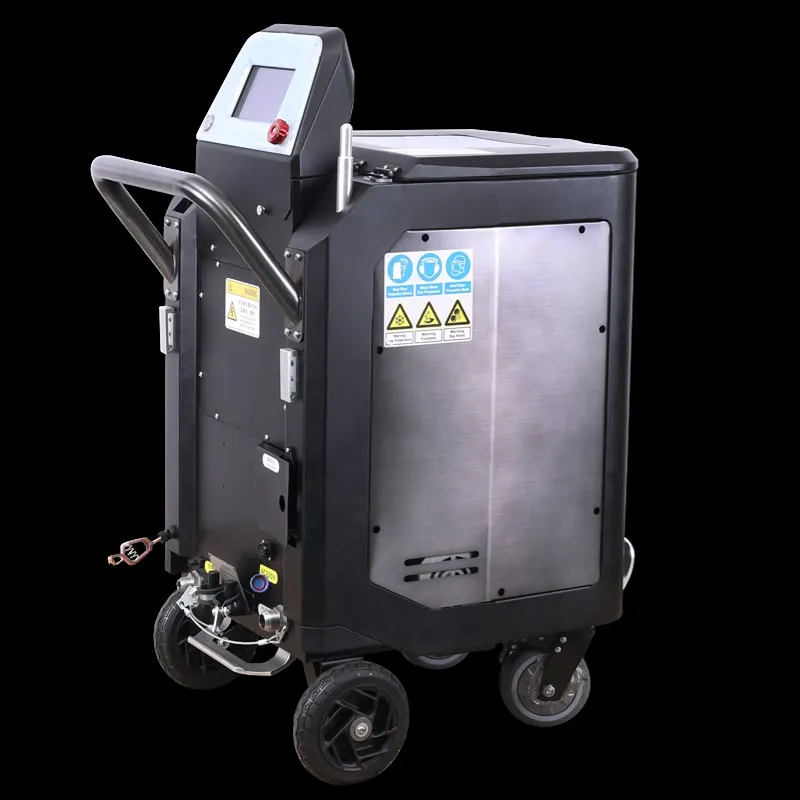
P9 Pro – screen operation and a large dry ice hopper
P9 Pro combines a 30 kg hopper, a grinding system and screen-based controls. Its product sheet lists up to 16 bar blasting pressure and nozzle-dependent air consumption of 0.8–12 m³/min. It is an option to assess when you want to use a range of nozzles and cleaning applications with the same setup.
Compare all nine blasters
Pressure alone is not enough to select a machine. The compressor must deliver the required air volume at the working pressure for your nozzle. The figures below are manufacturer-stated ranges, not guaranteed capacity for a particular cleaning task.
| Model | Air demand, m³/min | Dry ice feed, kg/min | Hopper, kg | Weight, kg |
|---|---|---|---|---|
| P60 | 0.5–1 | 0.1–0.5 | 4 | 15 |
| TD1 Mini | 0.8–4 | 0–0.55 | 10 | 55 |
| BM2 | 1–2 | 0–0.32 | 7.5 | 62 |
| BM8 | 0.8–12 | 0–2 | 15 | 80 |
| HW2 | 0.8–3 | 0–0.75 | 10.5 | 50 |
| HW4 | 0.8–5 | 0–1.2 | 10.5 | 50 |
| P9 | 0.8–12 | 0–3.6 | 30 | 126 |
| P9S | 0.8–12 | 0–3.6 | 30 | 130 |
| P9 Pro | 0.8–12 | 0–3.6 | 30 | 130 |
Explore the machine ranges
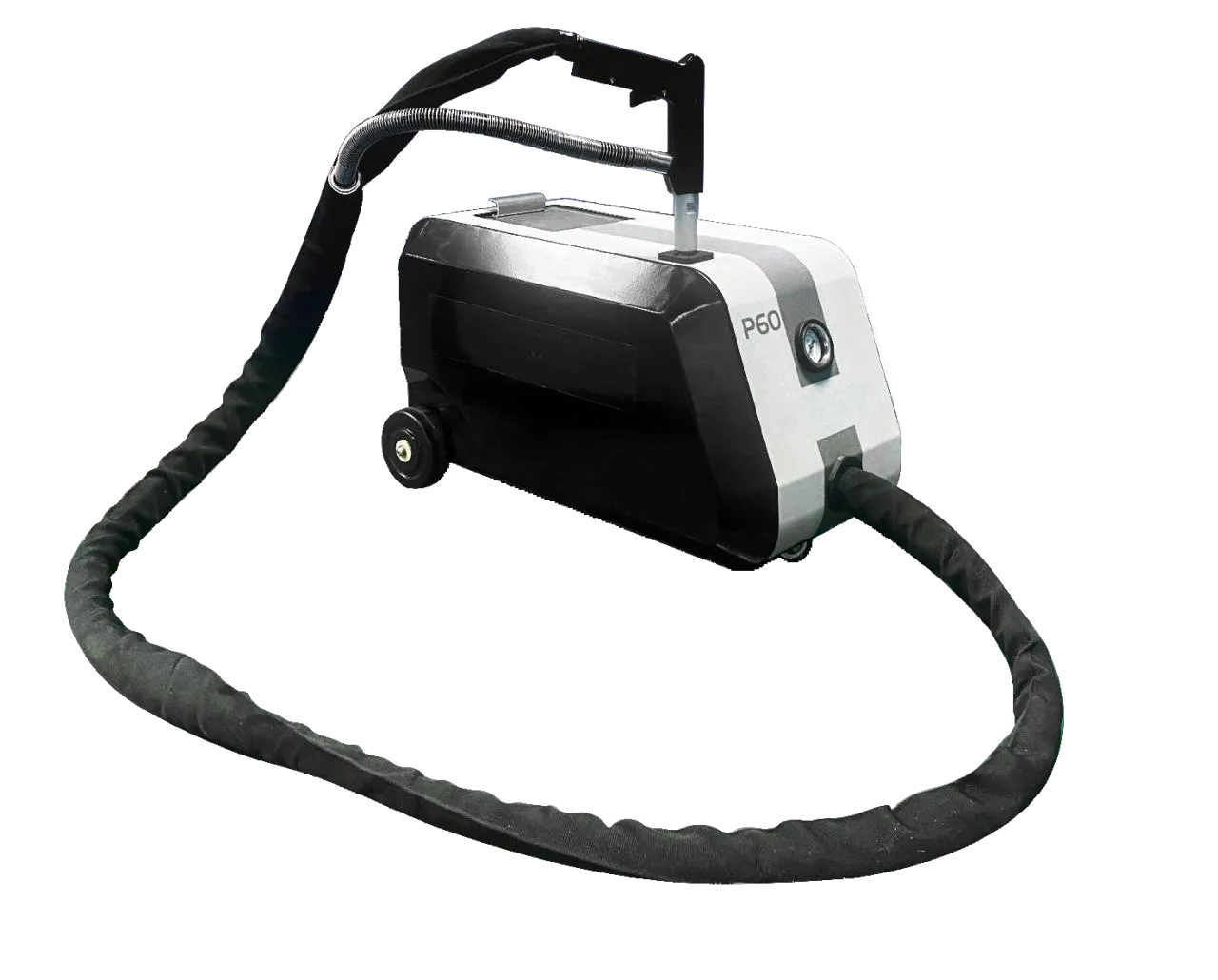
DRYICEJET P60
Air demand 0.5–1 m³/min. Hopper 4 kg. 0.5–3 mm, with grinding system.
View →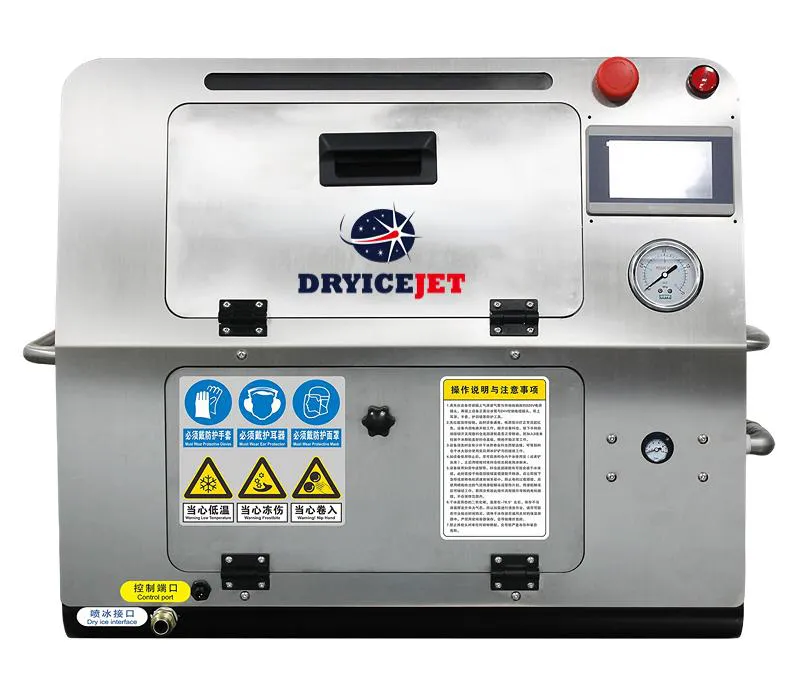
DRYICEJET TD1 Mini
Air demand 0.8–4 m³/min. Hopper 10 kg. Block dry ice, 120 × 120 × 250 mm.
View →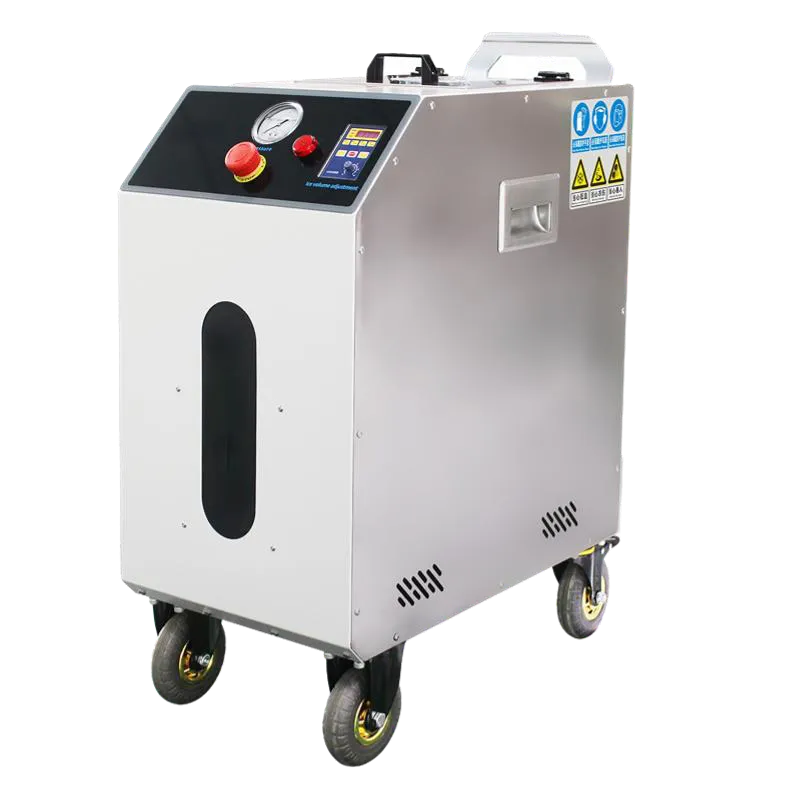
DRYICEJET BM2 / BM8
Air demand 1–2 / 0.8–12 m³/min. Hopper 7.5 / 15 kg. 2.5–3 mm pellets.
View →
DRYICEJET HW2 / HW4
Air demand 0.8–3 / 0.8–5 m³/min. Hopper 10.5 kg. 2.5–3 mm pellets.
View →
DRYICEJET P9 / P9S
Air demand 0.8–12 m³/min. Hopper 30 kg. 3 mm pellets.
View →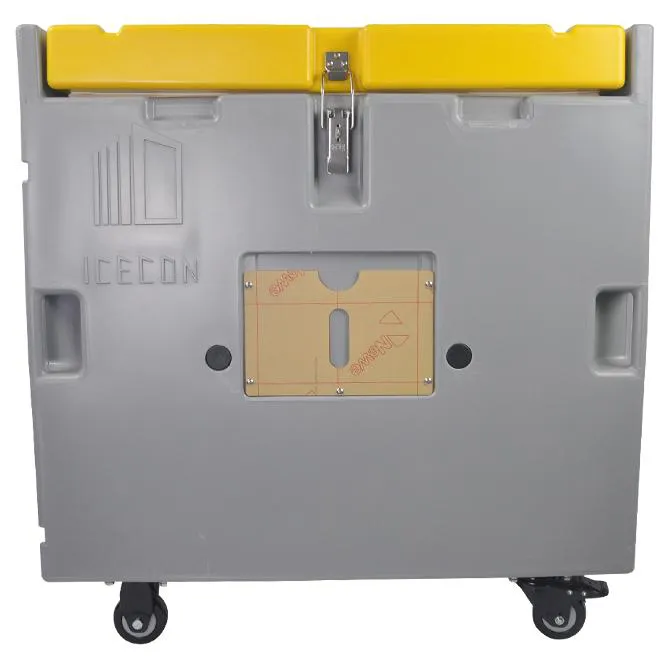
Dry Ice Containers & Blasting Nozzles
DS-30, DS-130 and DS-320 containers, 13 extra nozzles, hoses and blast guns.
View →What do you need to clean?
Dry ice blasting can be assessed for removing grease, oil, production residue and coatings from suitable surfaces. Applications include moulds, machine components and maintenance equipment. Material, access and required finish determine pressure, nozzle and dry ice feed.
Does dry ice blasting leave waste?
The dry ice sublimates into gas. Removed coating and contamination still remain and require collection or suitable extraction. The process does not require added sand or other abrasive blasting media.
Do these machines produce dry ice?
No. These blasters use a separately supplied dry ice feedstock. TD1 Mini is listed for block dry ice; the other models use pellets or particles as described on their pages. A grinding system is not production from liquid CO₂.
What compressor information do I need?
Provide delivered air volume at the chosen pressure, rather than only receiver size or motor kW. Air quality, hose length and nozzle affect the setup. Clarify these before selecting a machine.
Request a machine and accessory quotation
Send the model name, material to be cleaned, type of coating or contamination and approximate workload. Include your compressor’s delivered air volume at the intended working pressure, available electrical supply and delivery location. These details help define the machine, nozzles and supply.
Warranty and supply
All DRYICEJET blasting machines in this range are offered with a 2-year warranty. Coverage and warranty terms are specified in the quotation. Included equipment, delivery time, freight and other delivery terms are agreed for each order.
Service and operator training
We do not just deliver the machine. Tørrisblåsing Møre og Romsdal AS services the DRYICEJET blasting machines we sell and teaches your operators to use them safely and efficiently.
We use dry ice blasting every day in our own cleaning work for marine, offshore, food-processing and industrial customers. Training covers machine setup, compressed air and nozzle choice, settings for different surfaces, dry ice handling and CO₂ safety, and routine maintenance. Contact us for maintenance, troubleshooting, spare parts or repairs. The scope of training and service is agreed in the quotation.
Plan the complete setup
In addition to the blasting machine, you need suitable compressed air, the correct form of dry ice and an electrical supply. Air volume must be assessed at the selected pressure and nozzle, allowing for losses through hoses and connections. Include dry ice supply and insulated storage in your planning.
The work area requires suitable ventilation and measures to prevent CO₂ accumulation. Use protective equipment and procedures suited to noise, cold and the material being removed. Cleaning results and surface effects must be assessed for the task; a sample test may be needed.
Rather have us do the cleaning?
We carry out dry ice blasting as a service across Norway. We also sell DRYICEJET dry ice production machines for making your own dry ice, and SWT laser cleaning machines.